
Alien Nutrition: What Do ETs Eat to Sustain Themselves?
The concept of extraterrestrial life has intrigued humans for centuries, leading to countless speculations and theories about their existence and habits. One fascinating aspect of this speculation is the question of what aliens might eat to sustain themselves. In this blog post, we will delve into the myterity of alien nutrition, exploring the possibilities and challenges that such a concept presents.
 When we think of aliens, we often imagine beings that are vastly different from us in appearance and physiology. This leads to the intriguing question: What could they possibly eat to survive? The myterity deepens when we consider the vast diversity of life on Earth and the various dietary preferences of animals and plants. From herbivores to carnivores, and even those who rely on photosynthesis, our planet showcases the range of possibilities for alien nutrition.
 One approach to understanding alien nutrition is to consider alternative biochemistries. If extraterrestrial life forms are based on different chemical compositions, their dietary requirements may also differ significantly from what we are familiar with. For instance, they might rely on exotic chemical compounds or even harness energy directly from their environment, rather than consuming traditional food.
 The myterity of alien nutrition becomes particularly evident when we think about the logistics of food in the context of interstellar travel. The vast distances between star systems pose significant challenges for procuring and transporting food. For humans, long-duration space missions involve carefully planned diets and food storage solutions. Extraterrestrial civilizations would likely have their own strategies for addressing these challenges.
 As we ponder the question of what ETs might eat, we encounter a myriad of myterious possibilities. From exotic diets to alternative biochemistries, the realm of alien nutrition is a fascinating subject for both scientific exploration and science fiction. While we may never have definitive answers until contact with extraterrestrial life is established, it is essential to remain open to the myterity of the cosmos and the limitless diversity it may hold.
 The concept of alien nutrition invites us to explore the unknown and imagine the myriad possibilities that the universe may offer. Whether extraterrestrial beings consume food as we do or rely on completely different mechanisms for sustenance, the myterity of their dietary habits adds depth to the ongoing quest for understanding the potential life beyond our planet. Until the day we make contact with ETs, the myterity of alien nutrition remains a subject of fascination and speculation, driving our curiosity about the vast cosmos and its potential inhabitants.
I. The Myterious Dietary Needs of Extraterrestrials
When we think of aliens, we often imagine beings that are vastly different from us in appearance and physiology. This leads to the intriguing question: What could they possibly eat to survive? The myterity deepens when we consider the vast diversity of life on Earth and the various dietary preferences of animals and plants. From herbivores to carnivores, and even those who rely on photosynthesis, our planet showcases the range of possibilities for alien nutrition.
II. Alternative Biochemistries and Alien Diets
One approach to understanding alien nutrition is to consider alternative biochemistries. If extraterrestrial life forms are based on different chemical compositions, their dietary requirements may also differ significantly from what we are familiar with. For instance, they might rely on exotic chemical compounds or even harness energy directly from their environment, rather than consuming traditional food.
III. The Challenge of Interstellar Nutrition
IV. Concluding Thoughts: The Myterious Aspects of Alien Life
As we ponder the question of what ETs might eat, we encounter a myriad of myterious possibilities. From exotic diets to alternative biochemistries, the realm of alien nutrition is a fascinating subject for both scientific exploration and science fiction. While we may never have definitive answers until contact with extraterrestrial life is established, it is essential to remain open to the myterity of the cosmos and the limitless diversity it may hold.
The concept of alien nutrition invites us to explore the unknown and imagine the myriad possibilities that the universe may offer. Whether extraterrestrial beings consume food as we do or rely on completely different mechanisms for sustenance, the myterity of their dietary habits adds depth to the ongoing quest for understanding the potential life beyond our planet. Until the day we make contact with ETs, the myterity of alien nutrition remains a subject of fascination and speculation, driving our curiosity about the vast cosmos and its potential inhabitants.May You Like

12 Awesome Christmas traditions from around the world
May 13, 2025•News

The Dogon Tribe and Sirius B: An Ancient Alien Connection?
May 13, 2025•News

Lyrebirds in Their Natural Habitat: Where to Spot Them
May 13, 2025•News
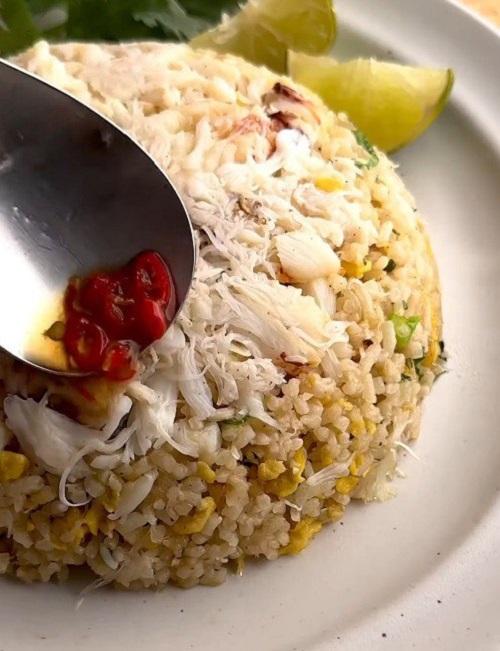
Crab fried rice is a dish that embodies the perfect blend of flavors and textures. It’s a delicious amalgamation of succulent crab meat, fluffy rice, and an array of colorful vegetables, all seasoned to perfection. The best part? It’s incredibly easy to make at home, allowing you to indulge in restaurant-quality flavors without the hassle. In this blog post, we’ll explore a simple yet delectable recipe for crab fried rice that will tantalize your taste buds and impress your friends and family.
1. Gather Your Ingredients
To embark on this culinary journey, gather your ingredients: cooked crab meat, cooked jasmine rice (preferably cooled and day-old for better texture), diced vegetables (such as bell peppers, carrots, and peas), eggs, soy sauce, and a touch of sesame oil. Optional additions include green onions for garnish and a sprinkle of red pepper flakes for a hint of heat. Having everything prepared and within reach will make the cooking process smooth and enjoyable.
2. Heat the Pan and Scramble the Eggs
Begin by heating a large skillet or wok over medium-high heat. Add a splash of oil and pour in the beaten eggs. Stir gently until the eggs are fully cooked but still tender. Remove the scrambled eggs from the pan and set them aside.
3. Sauté the Vegetables and Crab Meat
In the same pan, add a bit more oil if needed and toss in the diced vegetables. Sauté them until they are slightly tender yet vibrant in color. Next, add the crab meat to the pan, stirring gently to combine it with the vegetables. The sweet, delicate flavor of the crab will infuse the vegetables, creating a delightful harmony of tastes.
4. Add the Rice and Seasonings
Now, add the cooled jasmine rice to the pan, breaking up any clumps with a spatula. Pour in the soy sauce and a drizzle of sesame oil, evenly distributing the seasonings throughout the dish. Stir continuously to ensure that every grain of rice is coated with the flavorful sauce. The aroma that fills your kitchen will be absolutely irresistible.
5. Combine and Garnish
Once the rice, vegetables, and crab meat are thoroughly combined and heated through, reintroduce the scrambled eggs to the pan. Gently toss everything together until the eggs are evenly distributed. Taste the dish and adjust the seasonings if necessary. To add a burst of freshness and color, sprinkle chopped green onions over the crab fried rice before serving.
6. Enjoy Your Culinary Creation!
Congratulations! You’ve successfully prepared a mouthwatering plate of easy crab fried rice. Grab your favorite chopsticks or a fork, and savor each bite of this delectable dish. Whether you’re sharing it with loved ones or enjoying it solo, the flavors and textures will transport you to a culinary paradise.
Making crab fried rice at home is a delightful experience that allows you to explore the world of flavors in a simple yet profound way. With minimal effort, you can create a restaurant-quality dish that will leave a lasting impression. So, don’t hesitate to dive into the kitchen and embark on this culinary adventure. Your taste buds will thank you!
Post Views: 151
Related