Alien Biochemistry: Investigating Non-Carbon-Based Life
The search for extraterrestrial life has traditionally been rooted in our understanding of carbon-based life forms, similar to those found on Earth. However, the vastness of the universe and the diversity of its environments raise the possibility that life may exist in forms that differ fundamentally from what we know. In this blog post, we will explore the concept of non-carbon-based life and the potential biochemistry of alien organisms, shedding light on the mysteries of their potential existence.
I. Carbon-Based Life on Earth

Life on Earth is predominantly carbon-based, with organic compounds forming the basis of biological processes. Carbon is unique in its ability to form complex and stable molecules, making it an ideal building block for life. However, the question arises: Is carbon the only element capable of supporting life?
II. The Search for Alien Biochemistry
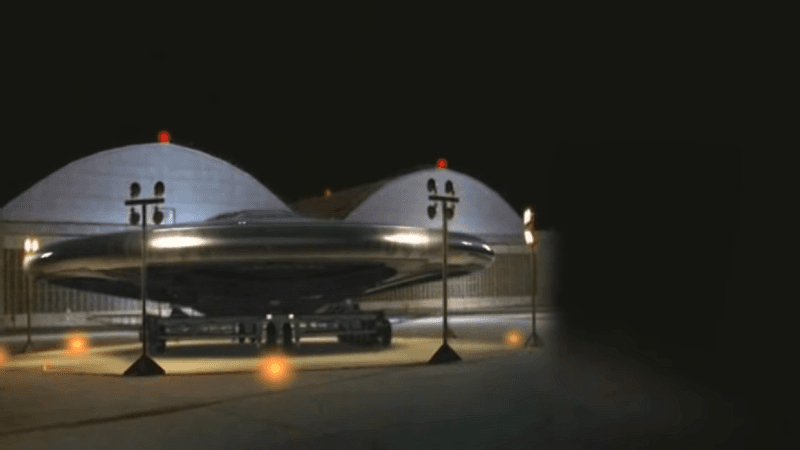
As scientists search for signs of extraterrestrial life, they consider the possibility of non-carbon-based life forms. Elements like silicon, sulfur, and even nitrogen are explored as potential alternatives to carbon in the biochemistry of alien organisms. These elements possess some of the key properties necessary for life, such as the ability to form stable compounds and adapt to different environments.
III. The Challenges of Non-Carbon-Based Life

While non-carbon-based life is theoretically possible, it presents a range of challenges for detection and understanding. If alien biochemistry differs significantly from what we know, our methods for identifying signs of life may prove inadequate. Additionally, the extreme diversity of environments in the universe makes it challenging to predict what type of biochemistry may be prevalent in extraterrestrial life forms.
IV. The Enigma of Alien Biochemistry

The concept of non-carbon-based life adds complexity to the search for extraterrestrial life. While carbon-based life may be more familiar to us, the potential existence of alternative biochemistry underscores the vastness of the universe and the mysteries of the cosmos. As we continue to explore the enigma of alien UFOs and the potential for extraterrestrial life, we must remain open to the possibility of biochemistry that defies our current understanding.
In conclusion, the investigation of non-carbon-based life expands the horizons of astrobiology and the search for extraterrestrial life. While carbon-based life is the foundation of our understanding, the vast and diverse universe offers the potential for alternative forms of biochemistry. The mysteries of the cosmos and the enigma of alien UFOs challenge us to remain open to the unknown and to explore the uncharted frontiers of potential extraterrestrial life.
May You Like


Top 5 Once In A Lifetime Songbirds

Savoring the Flavors of Baja: A Culinary Journey with Fish Tacos