Alien Nutrition: What Do ETs Eat to Sustain Themselves?
The concept of extraterrestrial life has intrigued humans for centuries, leading to countless speculations and theories about their existence and habits. One fascinating aspect of this speculation is the question of what aliens might eat to sustain themselves. In this blog post, we will delve into the myterity of alien nutrition, exploring the possibilities and challenges that such a concept presents.
 When we think of aliens, we often imagine beings that are vastly different from us in appearance and physiology. This leads to the intriguing question: What could they possibly eat to survive? The myterity deepens when we consider the vast diversity of life on Earth and the various dietary preferences of animals and plants. From herbivores to carnivores, and even those who rely on photosynthesis, our planet showcases the range of possibilities for alien nutrition.
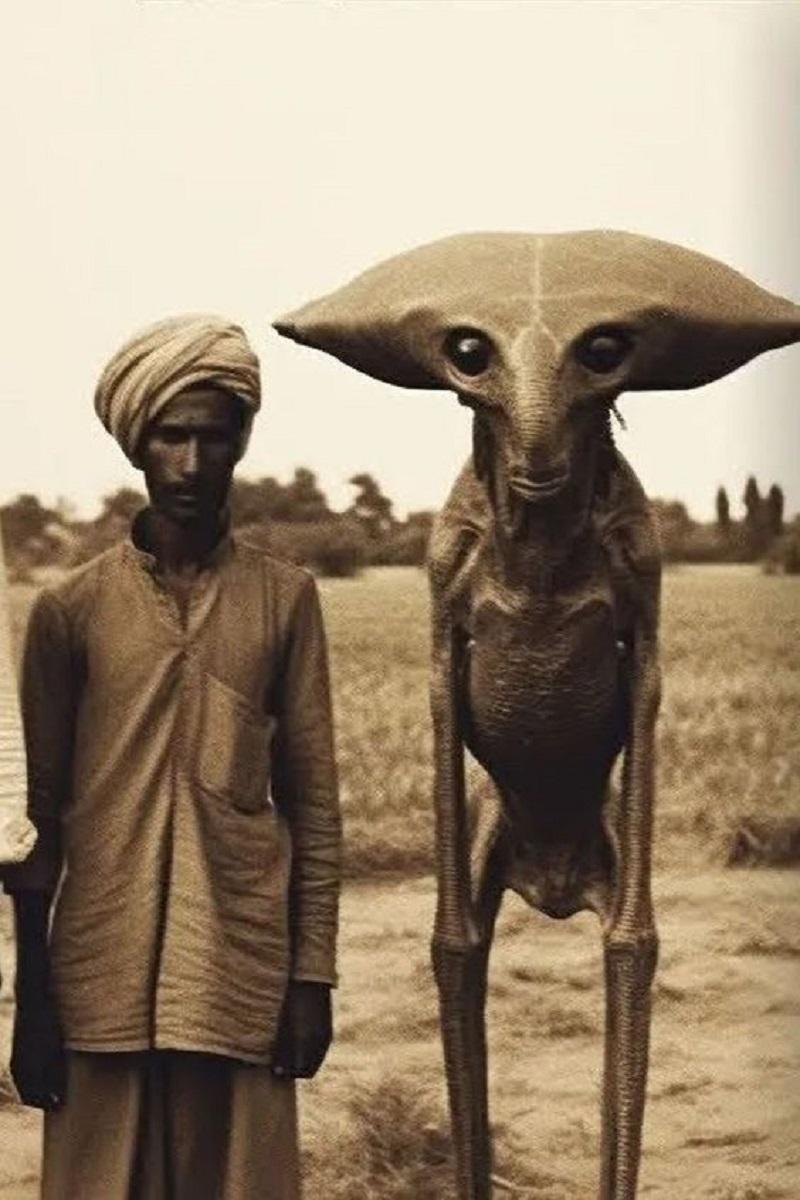 One approach to understanding alien nutrition is to consider alternative biochemistries. If extraterrestrial life forms are based on different chemical compositions, their dietary requirements may also differ significantly from what we are familiar with. For instance, they might rely on exotic chemical compounds or even harness energy directly from their environment, rather than consuming traditional food.
 The myterity of alien nutrition becomes particularly evident when we think about the logistics of food in the context of interstellar travel. The vast distances between star systems pose significant challenges for procuring and transporting food. For humans, long-duration space missions involve carefully planned diets and food storage solutions. Extraterrestrial civilizations would likely have their own strategies for addressing these challenges.
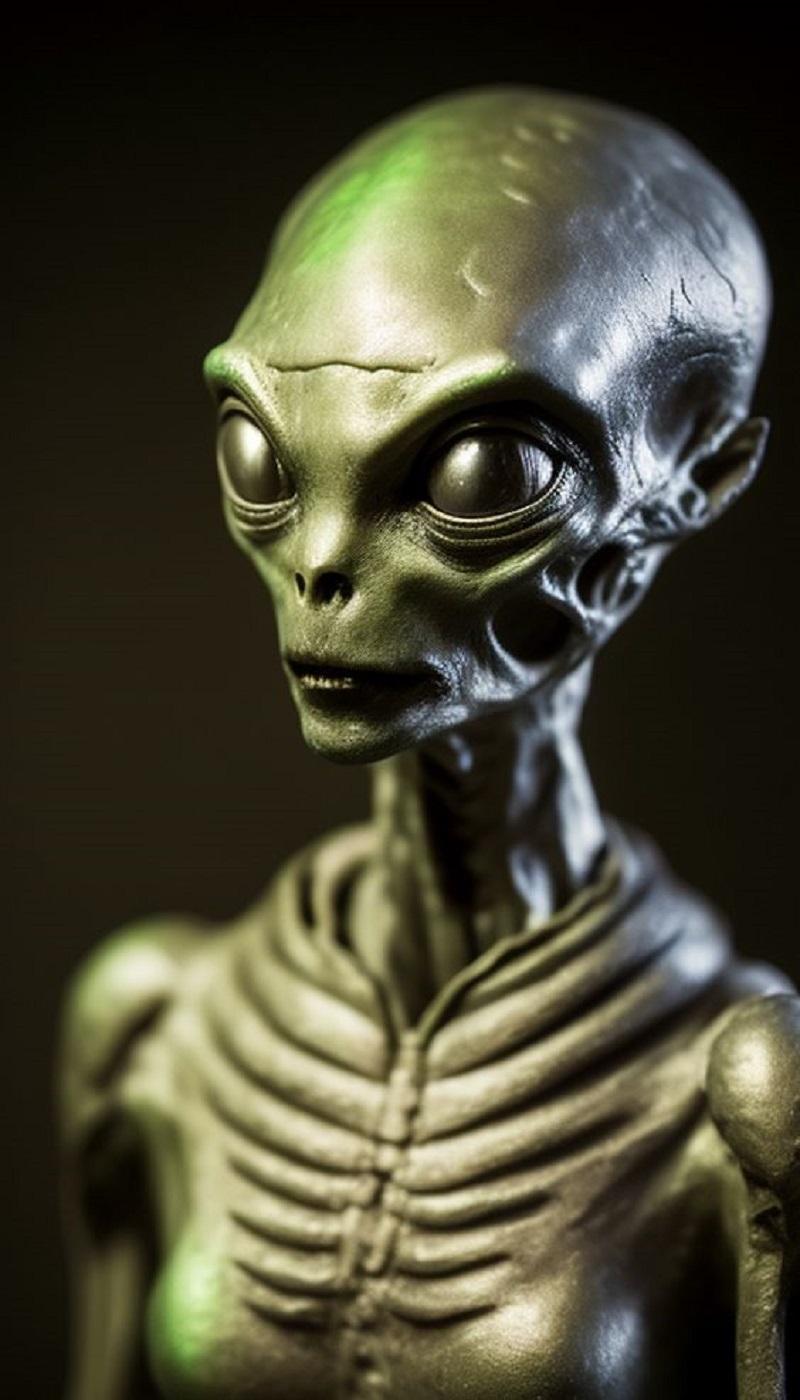 As we ponder the question of what ETs might eat, we encounter a myriad of myterious possibilities. From exotic diets to alternative biochemistries, the realm of alien nutrition is a fascinating subject for both scientific exploration and science fiction. While we may never have definitive answers until contact with extraterrestrial life is established, it is essential to remain open to the myterity of the cosmos and the limitless diversity it may hold.
 The concept of alien nutrition invites us to explore the unknown and imagine the myriad possibilities that the universe may offer. Whether extraterrestrial beings consume food as we do or rely on completely different mechanisms for sustenance, the myterity of their dietary habits adds depth to the ongoing quest for understanding the potential life beyond our planet. Until the day we make contact with ETs, the myterity of alien nutrition remains a subject of fascination and speculation, driving our curiosity about the vast cosmos and its potential inhabitants.
I. The Myterious Dietary Needs of Extraterrestrials
When we think of aliens, we often imagine beings that are vastly different from us in appearance and physiology. This leads to the intriguing question: What could they possibly eat to survive? The myterity deepens when we consider the vast diversity of life on Earth and the various dietary preferences of animals and plants. From herbivores to carnivores, and even those who rely on photosynthesis, our planet showcases the range of possibilities for alien nutrition.
II. Alternative Biochemistries and Alien Diets
One approach to understanding alien nutrition is to consider alternative biochemistries. If extraterrestrial life forms are based on different chemical compositions, their dietary requirements may also differ significantly from what we are familiar with. For instance, they might rely on exotic chemical compounds or even harness energy directly from their environment, rather than consuming traditional food.
III. The Challenge of Interstellar Nutrition
IV. Concluding Thoughts: The Myterious Aspects of Alien Life
As we ponder the question of what ETs might eat, we encounter a myriad of myterious possibilities. From exotic diets to alternative biochemistries, the realm of alien nutrition is a fascinating subject for both scientific exploration and science fiction. While we may never have definitive answers until contact with extraterrestrial life is established, it is essential to remain open to the myterity of the cosmos and the limitless diversity it may hold.
The concept of alien nutrition invites us to explore the unknown and imagine the myriad possibilities that the universe may offer. Whether extraterrestrial beings consume food as we do or rely on completely different mechanisms for sustenance, the myterity of their dietary habits adds depth to the ongoing quest for understanding the potential life beyond our planet. Until the day we make contact with ETs, the myterity of alien nutrition remains a subject of fascination and speculation, driving our curiosity about the vast cosmos and its potential inhabitants.May You Like


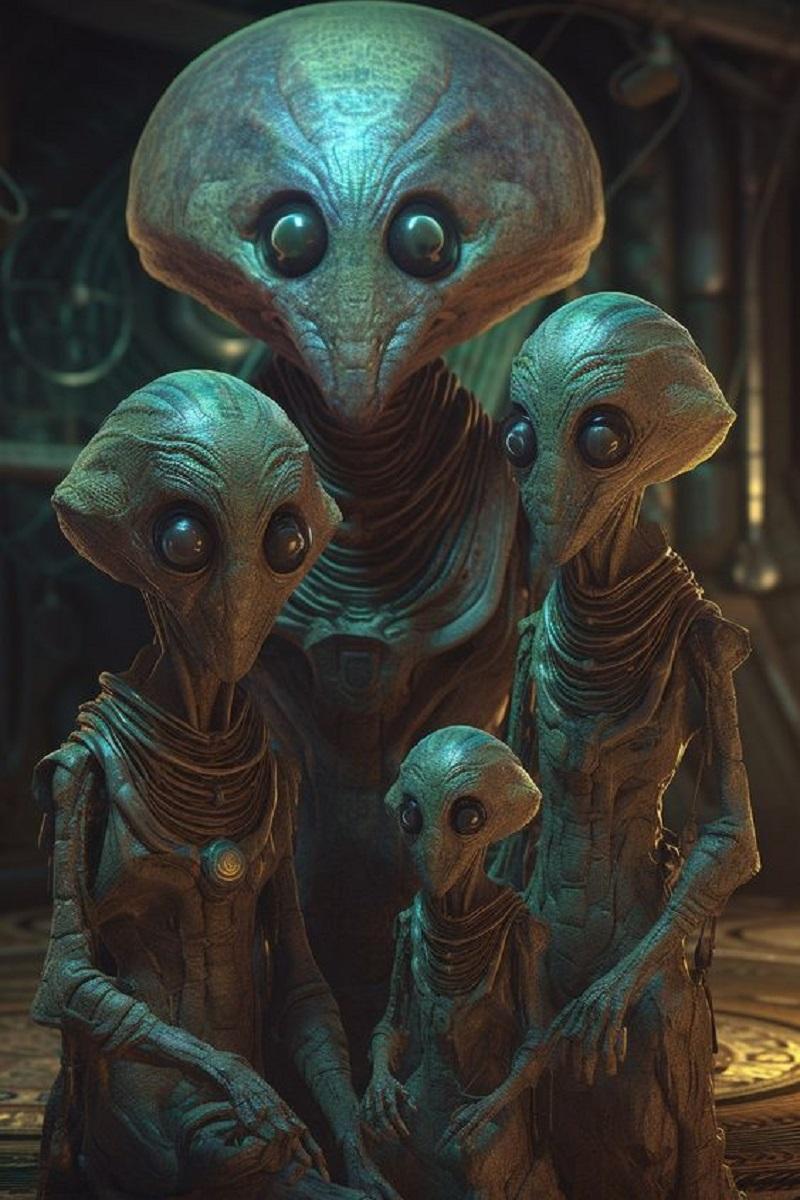
The fascination with extraterrestrial life often leads us to ponder the nature of their societies and social structures. While we have limited knowledge of potential alien civilizations, the question of whether aliens live like a family together is a topic that has stirred curiosity and inspired countless speculations. In this blog post, we will explore the concept of alien families and delve into the possibilities, considering both the scientific and imaginative perspectives.
I. Theories on Extraterrestrial Social Structures
The question of how aliens might live and organize themselves remains largely speculative, as we have no direct evidence of extraterrestrial life. However, various theories and hypotheses have been put forth by scientists and science fiction enthusiasts alike. Some posit that alien civilizations could be organized in ways similar to human societies, while others envision entirely unique social structures.
II. Human-Like Alien Families
One theory suggests that if extraterrestrial life exists, it could resemble our own family units. Proponents of this idea argue that life on other planets may have evolved in a manner similar to Earth and thus possess comparable social structures, including family units. This theory is based on the assumption that certain aspects of life, such as the need for reproduction and childcare, could be universal.
III. Hive-Mind and Collective Intelligence
Another intriguing possibility is that some alien species might operate as a collective, similar to a hive-mind. In such societies, individual identity might be secondary to the group’s collective intelligence and shared decision-making. This concept challenges our understanding of family as we know it and suggests a highly interconnected existence.
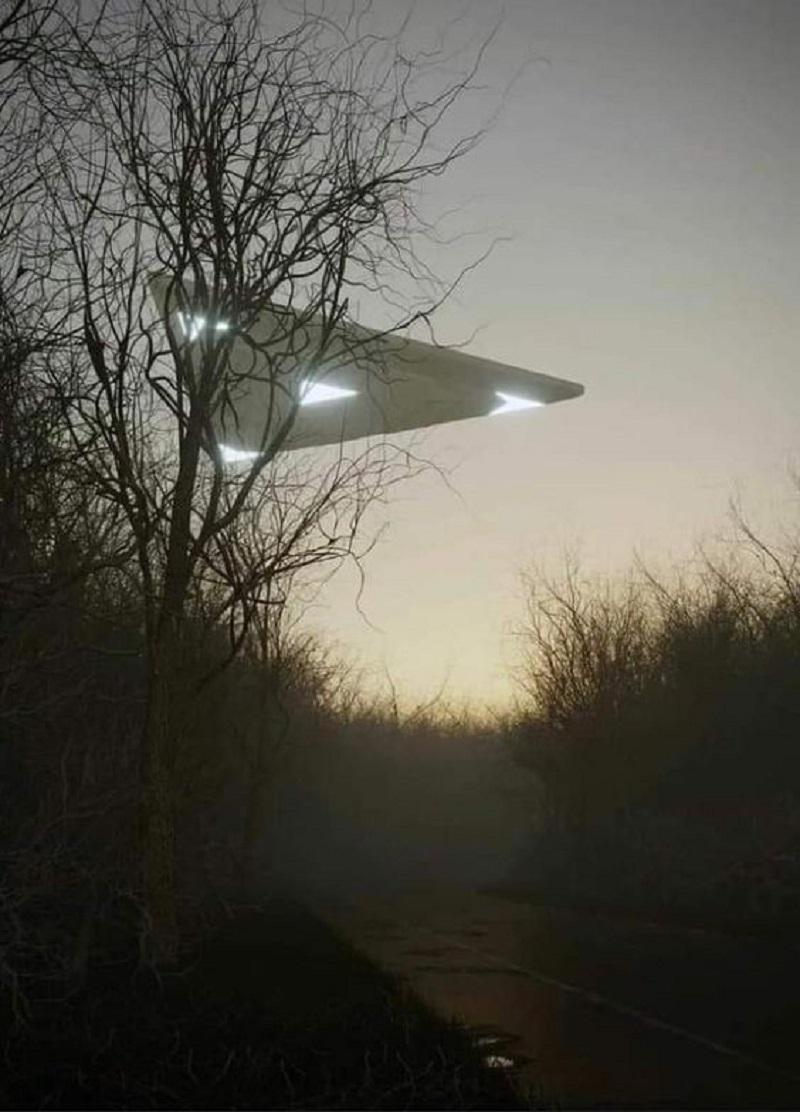
IV. The Enigma of Alien UFOs
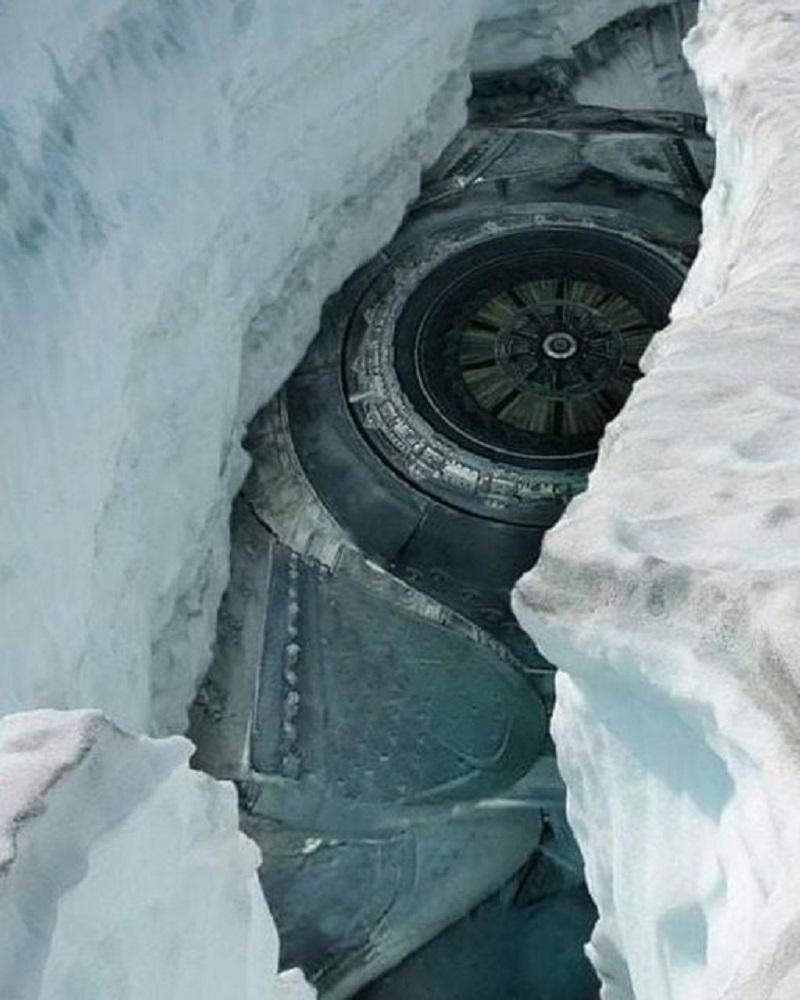
The idea of alien families, whether resembling our own or having entirely different social structures, is shrouded in mystery, much like the broader question of extraterrestrial life. While we may not have definitive answers, the allure of the unknown and the mysteries of alien UFOs continue to captivate our imaginations.
In conclusion, the concept of alien families and extraterrestrial social structures remains a subject of speculation and intrigue. As we explore the possibilities, we must acknowledge the enigma surrounding the existence of alien life and their potential societal arrangements. The mysteries of the cosmos and the fascination with alien UFOs remind us that our understanding of the universe is a constantly evolving journey, full of endless possibilities and uncharted territories.
Post Views: 634
Related