Puff-Pastry Tarts with Stone Fruits and Frangipane
If there’s one thing that embodies the essence of a perfect summer day, it’s the delightful combination of ripe stone fruits and the flaky goodness of puff pastry. Creating a dish that marries the sweetness of apricots, peaches, nectarines, and plums with the richness of frangipane, all encased in a golden puff pastry shell, is a culinary adventure worth embarking upon. In this blog post, I’ll guide you through the process of crafting these heavenly Puff-Pastry Tarts with Stone Fruits and Frangipane, step by step, ensuring that your end result is not just a dessert but a masterpiece.
Gathering the Ingredients and Preparing the Frangipane
To begin your culinary journey, assemble the following ingredients: blanched whole almonds, granulated sugar, unsalted butter, eggs, coarse salt, ground cinnamon, unbleached all-purpose flour, frozen puff pastry, assorted stone fruits, turbinado sugar, and optionally, fresh edible flowers. The heart of this recipe lies in the frangipane—a velvety almond filling that adds a luxurious touch to your tarts. Start by blending blanched whole almonds, sugar, softened butter, eggs, salt, and a pinch of cinnamon until you achieve a smooth, creamy consistency. This delightful mixture is the soul of your tarts, imparting a nutty, buttery flavor that perfectly complements the sweetness of the stone fruits.
Creating the Puff-Pastry Base and Arranging the Stone Fruits
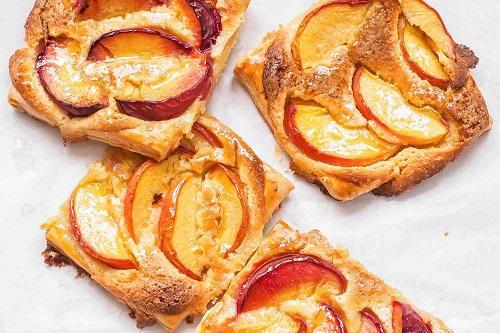
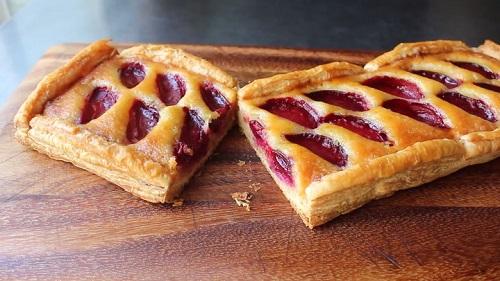
Next, dust your work surface with flour and roll out the thawed puff pastry into a thin, even sheet. This delicate canvas serves as the foundation for your tarts, promising a crisp and flaky texture that will contrast beautifully with the soft frangipane and juicy stone fruits. Carefully cut the pastry into individual portions or a larger, rustic tart—whichever your heart desires. Arrange the stone fruit slices in a visually appealing pattern atop the pastry, allowing their vibrant colors to create a tantalizing mosaic.
Baking to Golden Perfection
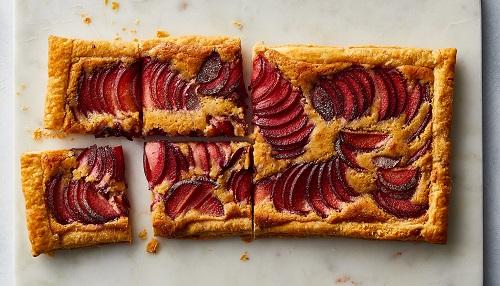
Before these tarts venture into the oven, sprinkle the stone fruits with a touch of turbinado sugar. This addition enhances their natural sweetness and adds a delightful crunch to every bite. As your tarts bake, the puff pastry will rise and envelop the frangipane and stone fruits in its embrace. Watch through the oven window as the tarts transform, the pastry turning golden brown and the fruits caramelizing to perfection. The aroma that fills your kitchen will be nothing short of heavenly, promising a delectable treat that’s as delightful to the senses as it is to the taste buds.
A Feast for the Senses and the Soul
Once your Puff-Pastry Tarts with Stone Fruits and Frangipane emerge from the oven, let them cool slightly before serving. Optionally, adorn your creations with fresh, unsprayed edible flowers like micro marigolds. These delicate blossoms not only add a burst of color but also infuse a subtle floral note, elevating your tarts to a level of culinary artistry. As you take the first bite, savor the harmonious medley of flavors and textures—the buttery crispness of the pastry, the velvety richness of the frangipane, and the juicy sweetness of the stone fruits. This is not just a dessert; it’s a symphony of taste, a celebration of summer’s bounty, and a testament to your culinary prowess.
Creating these Puff-Pastry Tarts with Stone Fruits and Frangipane is not merely a culinary endeavor; it’s an experience that engages your senses, ignites your creativity, and brings forth a masterpiece on your plate. So, roll up your sleeves, gather your ingredients, and embark on this delectable journey. Your taste buds—and perhaps your guests—will thank you for the delightful adventure you’ve taken them on.
May You Like