Logo

The Science of UFOs Investigating Unidentified Flying Objects

The term UFO, or Unidentified Flying Object, has been a subject of fascination, debate, and intrigue for decades. In popular culture, UFOs are often associated with extraterrestrial life and alien visitations. However, the scientific investigation of UFOs delves into a world of unexplained aerial phenomena that raises numerous questions about our understanding of the universe. In this blog post, we will explore the scientific perspective on UFOs and the ongoing efforts to understand these mysterious objects.1. The History of UFOs
The Science of UFOs Investigating Unidentified Flying Objects

To understand the scientific investigation of UFOs, we must first delve into the history. Reports of unusual aerial phenomena date back centuries, with the term “flying saucer” coined in the 1940s. Since then, governments, scientific organizations, and dedicated individuals have sought to uncover the truth behind these enigmatic sightings.

2. Government Investigations

The Science of UFOs Investigating Unidentified Flying Objects

Many governments have launched official investigations into UFO sightings. Notable among these is the U.S. government’s Project Blue Book, which examined thousands of cases from 1952 to 1969. While most cases were explained as natural phenomena or conventional aircraft, a small percentage remained unexplained, fueling the ongoing interest in UFO research.

3. Scientific Organizations

The Science of UFOs Investigating Unidentified Flying Objects

Scientific organizations such as the Mutual UFO Network (MUFON) and the Center for the Study of Extraterrestrial Intelligence (CSETI) have collected and analyzed UFO reports. They use scientific methodologies to investigate sightings, often employing experts in various fields, including astronomy, meteorology, and physics.

4. The Search for Extraterrestrial Intelligence (SETI)

The Science of UFOs Investigating Unidentified Flying Objects

The scientific search for extraterrestrial life is closely linked to UFO investigations. Projects like SETI use radio telescopes to listen for signals from advanced civilizations. While SETI primarily focuses on communication, it has inadvertently contributed to the understanding of UFO phenomena by ruling out artificial extraterrestrial signals.

5. The Role of Skepticism

The Science of UFOs Investigating Unidentified Flying Objects

Scientific inquiry demands skepticism. Many reported UFO sightings can be explained by known natural or human-made phenomena. Scientists work to separate credible reports from hoaxes and misidentifications, a crucial step in understanding the unexplained cases.

Conclusion
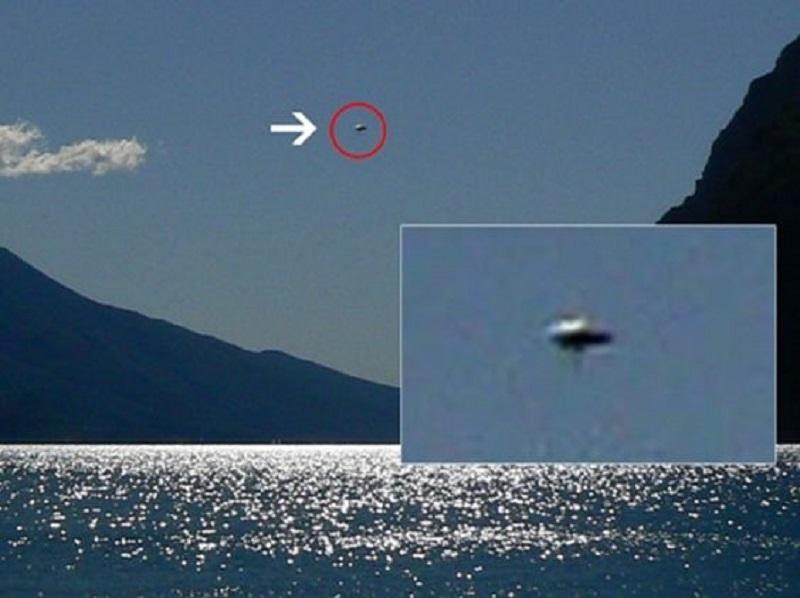
The Science of UFOs Investigating Unidentified Flying Objects

The scientific investigation of UFOs is an ongoing and multidisciplinary endeavor. While most sightings can be attributed to conventional causes, a small percentage remains unexplained. These unexplained cases serve as a reminder of the mysteries of our universe. The scientific community remains committed to unraveling these mysteries and seeking natural explanations for UFO phenomena.

As the search for answers continues, it is essential to approach the topic of UFOs with an open but critical mind. UFOs, as the name suggests, are unidentified, and not all unidentified objects are extraterrestrial in origin. Science, with its rigorous methods and evidence-based approach, provides the best tools for understanding these phenomena.

In summary, the study of UFOs showcases the human quest for knowledge and our unending curiosity about the unknown. While the truth about UFOs is still elusive, scientific investigations persist, pushing the boundaries of our understanding of the cosmos and the potential for life beyond Earth. The scientific method, fueled by curiosity and evidence, will continue to guide our exploration of this intriguing phenomenon.

Alien Perspectives: How Extraterrestrials Might Perceive the Universe
The universe is a vast and awe-inspiring expanse, and humans have spent centuries trying to understand it from our unique perspective. But what if there are other intelligent beings out there, aliens, who perceive the cosmos in a completely different way? In this blog post, we will embark on a journey of imagination to explore how extraterrestrial civilizations might perceive the universe, shedding light on the mysteries of their potential existence. I. Alien Senses and Sensibilities To understand how aliens might perceive the universe, we must first consider the sensory capabilities they possess. While humans rely on a limited set of senses, such as sight, hearing, and touch, aliens might have an entirely different range of sensory abilities. These could include sensing various forms of energy, perceiving different dimensions, or even communicating through means we can’t fathom. These unique senses would give them an entirely distinctive view of the universe. II. Alien Interpretations of Cosmic Phenomena As we gaze at the stars, we see celestial bodies, galaxies, and cosmic phenomena through the lens of our scientific understanding. Aliens, on the other hand, might have an entirely different perspective on these cosmic wonders. They might interpret these phenomena in ways that are beyond our comprehension, understanding the universe in ways that challenge our human-centric notions. III. Cultural and Philosophical Variations Just as human culture and philosophy influence our perception of the universe, alien civilizations would be shaped by their unique cultural and philosophical perspectives. How they view the cosmos, their place in it, and their understanding of its mysteries would be informed by their own history, beliefs, and values. This could lead to entirely different interpretations of the universe’s purpose and significance. IV. The Enigma of Alien Perspectives While pondering how aliens might perceive the universe is a thought-provoking exercise in imagination, it underscores the profound mysteries surrounding the search for extraterrestrial life. The cosmos is an enigmatic and vast expanse, and the diversity of potential extraterrestrial perspectives adds layers of intrigue to our quest to understand the mysteries of the universe and the enigma of alien UFOs. In conclusion, considering how aliens might perceive the universe offers a fascinating journey into the realm of the unknown. With distinct senses, interpretations of cosmic phenomena, and cultural influences, their view of the cosmos would be unlike anything we can comprehend. This exercise in imagination reminds us of the endless possibilities and mysteries that exist beyond our human perspective and adds depth to our fascination with the unknown. Post Views: 421 Related