Logo

UFO Shapes and Propulsion Systems: Examining Theoretical Constructs

Unidentified Flying Objects (UFOs) have long been a subject of fascination and intrigue, and one of the most captivating aspects of UFOs is the mystery surrounding their propulsion systems. In this blog post, we will explore the myterity of UFO shapes and the theoretical constructs surrounding their propulsion systems. The quest to understand how these objects move through the skies has been a driving force in UFO research.


I. UFO Shapes: A Diverse Array

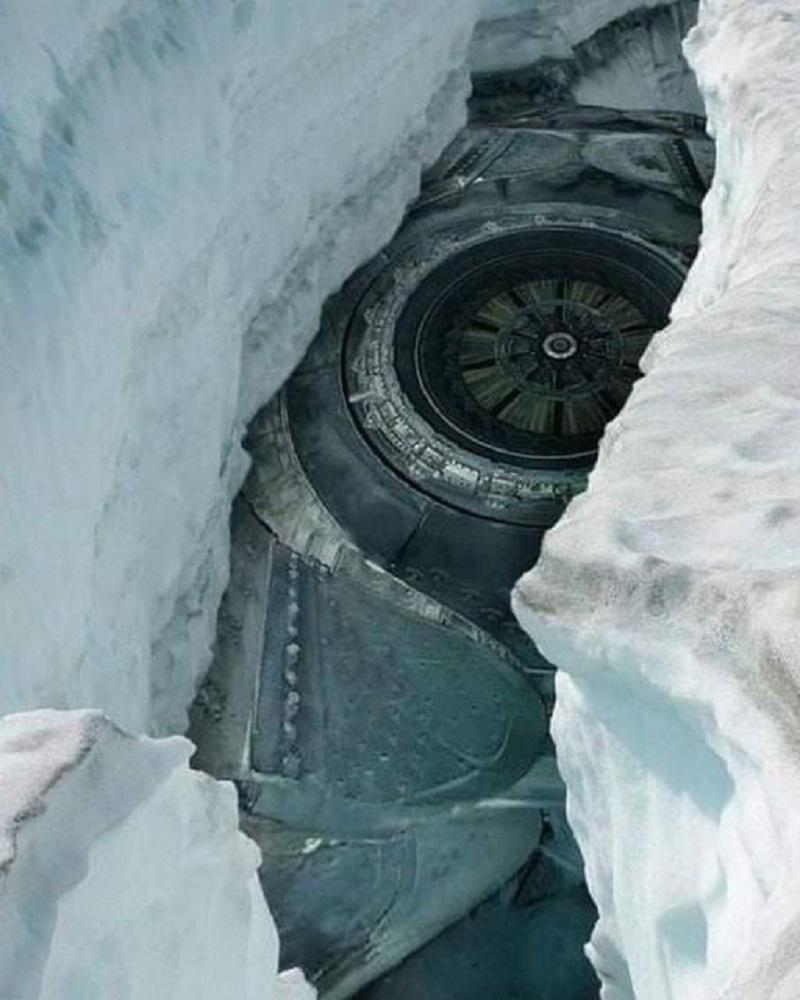
UFO sightings have yielded a wide range of shapes, from the classic saucer to triangular and cylindrical forms. While witness accounts may vary, the myterity lies not only in the appearance but also in the propulsion systems that enable these unconventional shapes to navigate our skies. Researchers and enthusiasts have proposed various theories to explain the mechanics behind these unique flying objects.

II. Theoretical Constructs

One of the most intriguing aspects of UFOs is the theoretical constructs proposed to explain their propulsion. These theories range from advanced propulsion technologies like anti-gravity systems and warp drives to exotic energy sources and even extraterrestrial influence. While some theories may seem far-fetched, they underscore the myterity of UFO propulsion systems.

III. The Quest for Advanced Technology

 

Many researchers believe that the propulsion systems of UFOs could hold the key to groundbreaking technological advancements. Understanding how these objects operate might lead to innovations in energy, propulsion, and even space travel. The study of UFO shapes and propulsion systems is not just about solving a mystery; it’s about expanding our understanding of the universe and our place in it.

IV. Unraveling the Myterity

As we delve deeper into the myterity of UFO shapes and propulsion systems, one thing remains clear: we are far from unlocking all the secrets of these enigmatic objects. The study of UFOs is a journey that continues to push the boundaries of our scientific knowledge. It challenges us to question our understanding of physics, engineering, and the universe itself.

UFO shapes and their associated propulsion systems are at the heart of one of the greatest scientific enigmas of our time. While theories abound, concrete answers remain elusive. The myterity of UFO propulsion systems persists, spurring curiosity, research, and debate. As we strive to unravel this enigma, we not only seek to understand the nature of UFOs but also to unlock the potential for revolutionary advancements in science and technology. Whether the answer lies in advanced human technology or the influence of extraterrestrial beings, the quest to unveil the secrets of UFO propulsion remains a driving force in the exploration of the unknown.

The Science of UFOs Investigating Unidentified Flying Objects
The term UFO, or Unidentified Flying Object, has been a subject of fascination, debate, and intrigue for decades. In popular culture, UFOs are often associated with extraterrestrial life and alien visitations. However, the scientific investigation of UFOs delves into a world of unexplained aerial phenomena that raises numerous questions about our understanding of the universe. In this blog post, we will explore the scientific perspective on UFOs and the ongoing efforts to understand these mysterious objects.1. The History of UFOs To understand the scientific investigation of UFOs, we must first delve into the history. Reports of unusual aerial phenomena date back centuries, with the term “flying saucer” coined in the 1940s. Since then, governments, scientific organizations, and dedicated individuals have sought to uncover the truth behind these enigmatic sightings. 2. Government Investigations Many governments have launched official investigations into UFO sightings. Notable among these is the U.S. government’s Project Blue Book, which examined thousands of cases from 1952 to 1969. While most cases were explained as natural phenomena or conventional aircraft, a small percentage remained unexplained, fueling the ongoing interest in UFO research. 3. Scientific Organizations Scientific organizations such as the Mutual UFO Network (MUFON) and the Center for the Study of Extraterrestrial Intelligence (CSETI) have collected and analyzed UFO reports. They use scientific methodologies to investigate sightings, often employing experts in various fields, including astronomy, meteorology, and physics. 4. The Search for Extraterrestrial Intelligence (SETI) The scientific search for extraterrestrial life is closely linked to UFO investigations. Projects like SETI use radio telescopes to listen for signals from advanced civilizations. While SETI primarily focuses on communication, it has inadvertently contributed to the understanding of UFO phenomena by ruling out artificial extraterrestrial signals. 5. The Role of Skepticism Scientific inquiry demands skepticism. Many reported UFO sightings can be explained by known natural or human-made phenomena. Scientists work to separate credible reports from hoaxes and misidentifications, a crucial step in understanding the unexplained cases. Conclusion The scientific investigation of UFOs is an ongoing and multidisciplinary endeavor. While most sightings can be attributed to conventional causes, a small percentage remains unexplained. These unexplained cases serve as a reminder of the mysteries of our universe. The scientific community remains committed to unraveling these mysteries and seeking natural explanations for UFO phenomena. As the search for answers continues, it is essential to approach the topic of UFOs with an open but critical mind. UFOs, as the name suggests, are unidentified, and not all unidentified objects are extraterrestrial in origin. Science, with its rigorous methods and evidence-based approach, provides the best tools for understanding these phenomena. In summary, the study of UFOs showcases the human quest for knowledge and our unending curiosity about the unknown. While the truth about UFOs is still elusive, scientific investigations persist, pushing the boundaries of our understanding of the cosmos and the potential for life beyond Earth. The scientific method, fueled by curiosity and evidence, will continue to guide our exploration of this intriguing phenomenon. Post Views: 2,004 Related